Arena Strategy
Position wins rounds before the punch lands.
Maps decide which hits are dangerous, which recoveries are possible, and whether a player with a weapon has to expose themselves to use it.
Play Now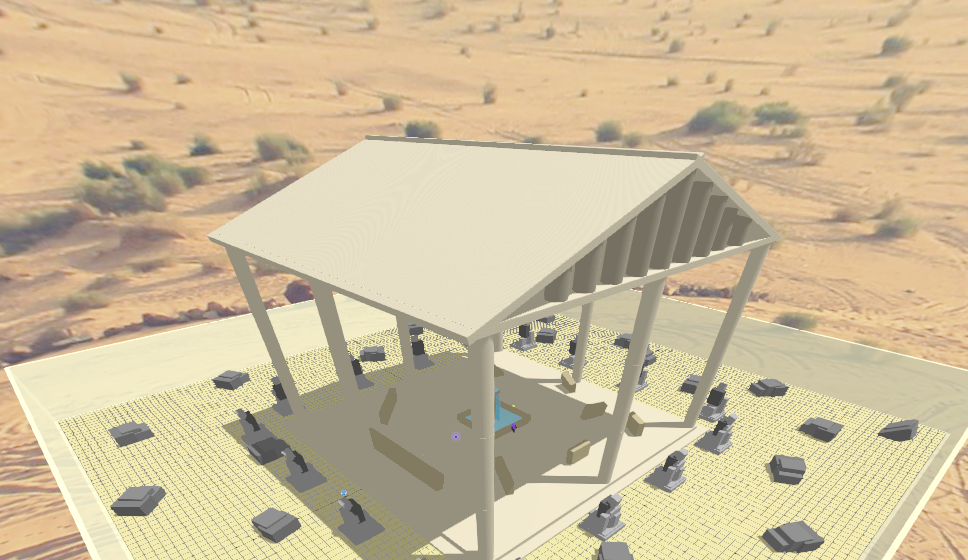
Edges create pressure
A weak hit near a boundary can matter more than a perfect punch in the middle. Control the edge and the opponent has fewer recovery choices. Back to the edge and you defend against both the player and the map.
Don’t stand near an edge unless baiting, recovering, or ready to leave. If you drifted there, reset before the next exchange.
Height changes the exchange
High ground gives better vision and more launch routes, but worse recoveries if knocked off at the wrong angle. Low ground is safer for resets but weaker for pressure. Maps like Poison Plummet and Ancient Structure reward players who think about the next landing, not just the next hit.
Item spawns are control points
Weapons, shields, and powerups create temporary objectives. You don’t need to grab them yourself. Sometimes the play is to stand where you can punish the player who goes for one.
If the item is in a dangerous lane, ask whether the reward is worth exposing your recovery path. A shield in open space is safe. A weapon on a narrow bridge is bait.
Map habits to build
- Identify the easiest ring-out direction before the first fight.
- Track which platforms are safe to recover to under pressure.
- Learn one reset route and one chase route on every map you vote for.
- Use walls and corners to limit enemy launch angles. Leave before you get pinned.
- Change plans when modifiers or moving hazards make old routes unsafe.